
Robotics & Automation
Robotics is powering the next wave of manufacturing, logistics, and automation across India. From programming your first robot to building autonomous systems, two courses — beginner and advanced — take you from fundamentals to real-world capability.
Basics of Robotics
"Build, program and control your first robots — from the very beginning"
What is this course about?
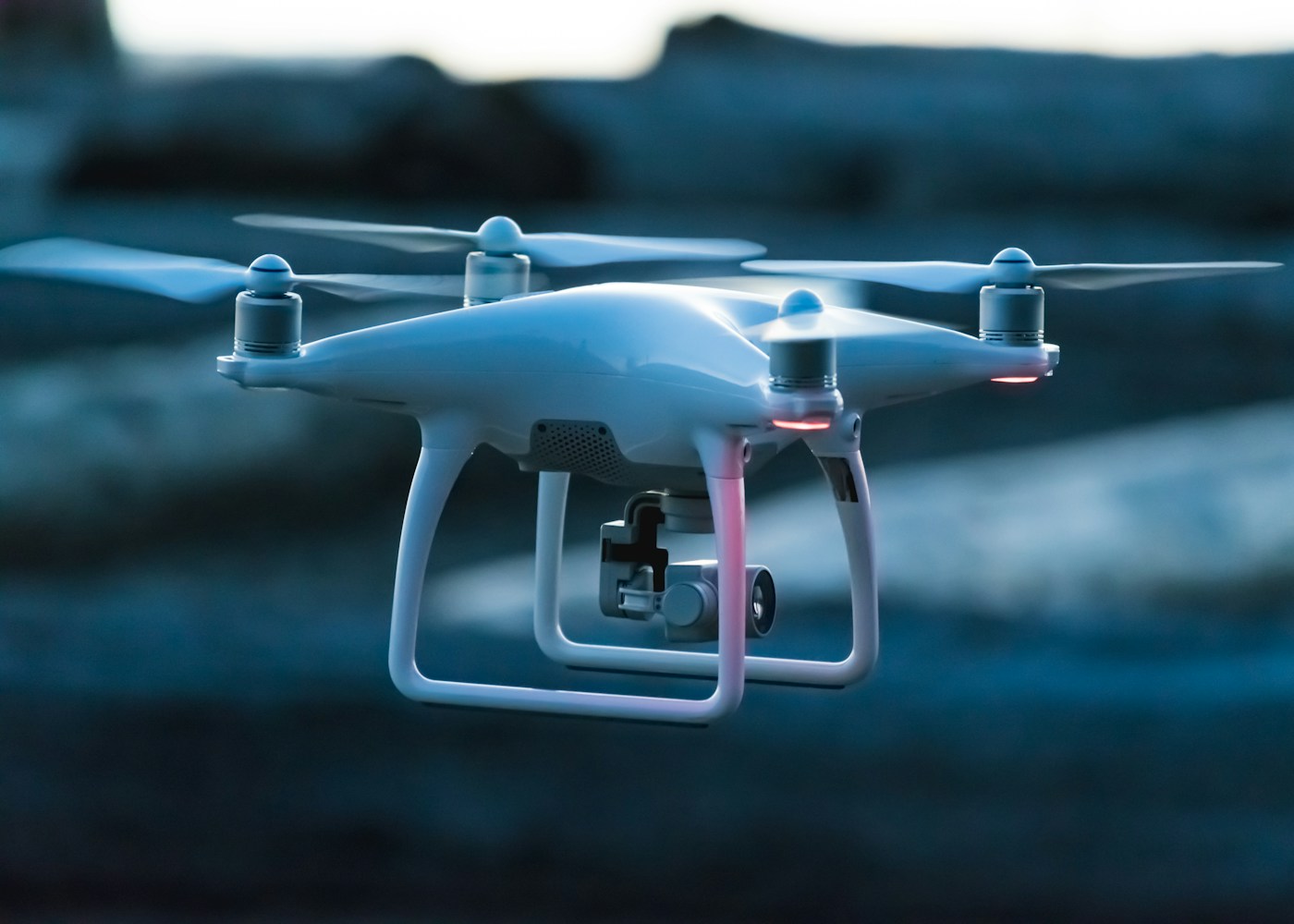
Robots are being deployed across manufacturing, warehousing, agriculture, healthcare, and dozens of other industries — and the demand for people who can build and program them in India is growing faster than the supply of qualified talent. This beginner course is designed to be a genuine entry point into a technology field that is expanding at an extraordinary pace and will continue to do so for decades.
You will begin with the fundamentals of how robots work — how motors and actuators create movement, how sensors let a machine perceive its environment, and how a microcontroller like Arduino ties it all together. This foundational understanding makes you a genuinely capable builder — someone who understands why a robot behaves the way it does, not just how to copy a wiring diagram.
Programming is covered from the ground up. You will write your first code that reads a sensor, drives a motor, and makes decisions based on real-world input. You will learn the logic of control — loops, conditions, and timing — that turns a pile of components into a machine that responds to the world around it. No prior coding experience is assumed.
Hands-on building is the heart of this course. You will assemble working robots, wire up sensors and motors, and program behaviours in a supportive, project-based environment. You will see how robots are being deployed across manufacturing, logistics, and agriculture, and understand where the field is heading. By the end, you will have built and programmed real robots from scratch — and have a clear understanding of the career paths available in this space.
Who is this course for?
What You Will Learn
Tools & Technologies Covered
What You Will Be Able To Do After This Course
Advance Robotics
"Master autonomous systems, AI integration & robotics engineering"
What is this course about?
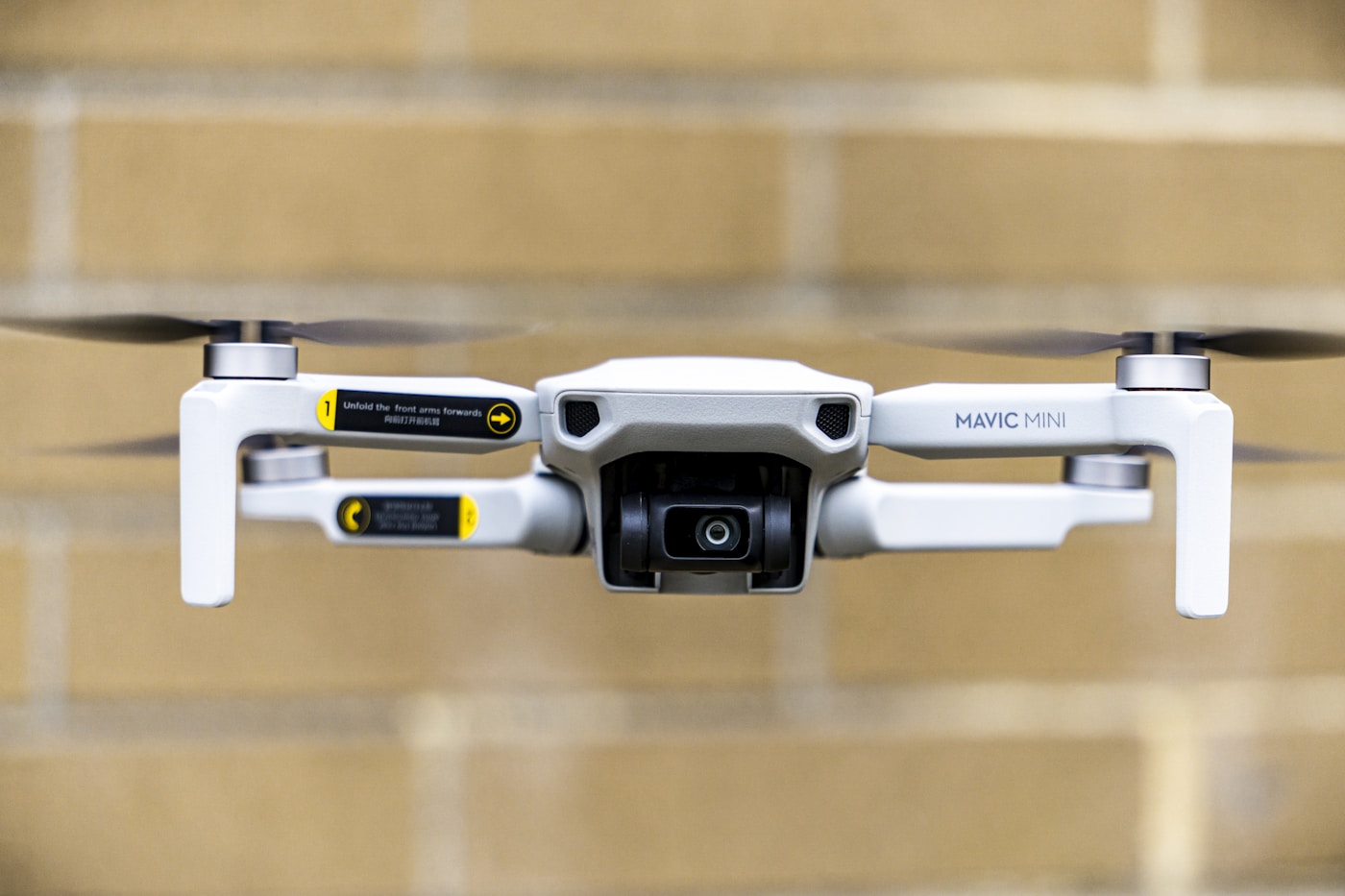
This is the professional-level programme for serious robotics practitioners. It is designed for people who have completed foundational training and are ready to develop the advanced skills, certifications, and industry knowledge needed to build autonomous systems, lead robotics projects professionally, or pursue a career in robotics engineering. In India's rapidly expanding automation industry, this level of qualification puts you in a very small, very in-demand group.
You will master autonomous robotics — the systems that let a robot make its own decisions from sensor data without constant human control. You will learn to implement obstacle avoidance and path-planning, program state machines that handle complex behaviour, and build closed-loop control systems that keep a robot precise and reliable. This is the core of what separates a hobby build from a professional autonomous machine.
Robotic arm mechanics and motion control are covered in depth — the techniques behind the machines you see on modern production lines. You will learn kinematics (how joints combine to position a gripper), how to drive multiple motors in coordination, and how to build a robot that performs precise, repeatable tasks. Sensor fusion — combining several sensors into one reliable picture of the world — is a central theme throughout.
This course goes deep into engineering — microcontroller programming using Arduino and Raspberry Pi, sensor fusion for autonomous navigation, robotic arm mechanics, and the integration of machine learning into robotic systems for autonomous decision-making. You will bring it all together in a comprehensive capstone project: designing, building, and programming a complete robot from the ground up. Completing this course positions you at the front of one of India’s most exciting, fastest-growing, and currently underserved engineering career paths.
Who is this course for?
What You Will Learn
Tools & Technologies Covered
What You Will Be Able To Do After This Course
Ready to enter the future of technology?
Book a free counselling session and our team will guide you to the right course based on your current experience, goals, and the career path you want to build.